Learning Nature
2018-2019
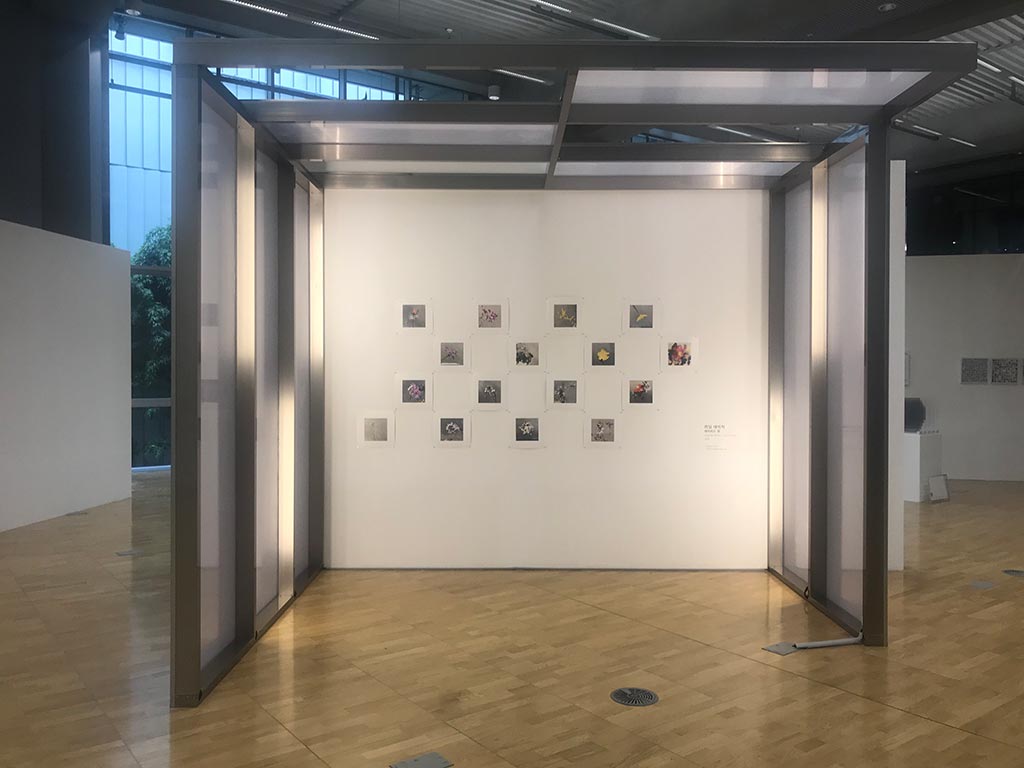
Standard edition: pigment print. Image 18 × 18 cm (7.1 × 7.1 in.), sheet 30 × 30 cm (11.8 × 11.8 in.). Edition of 1 + 1 AP.
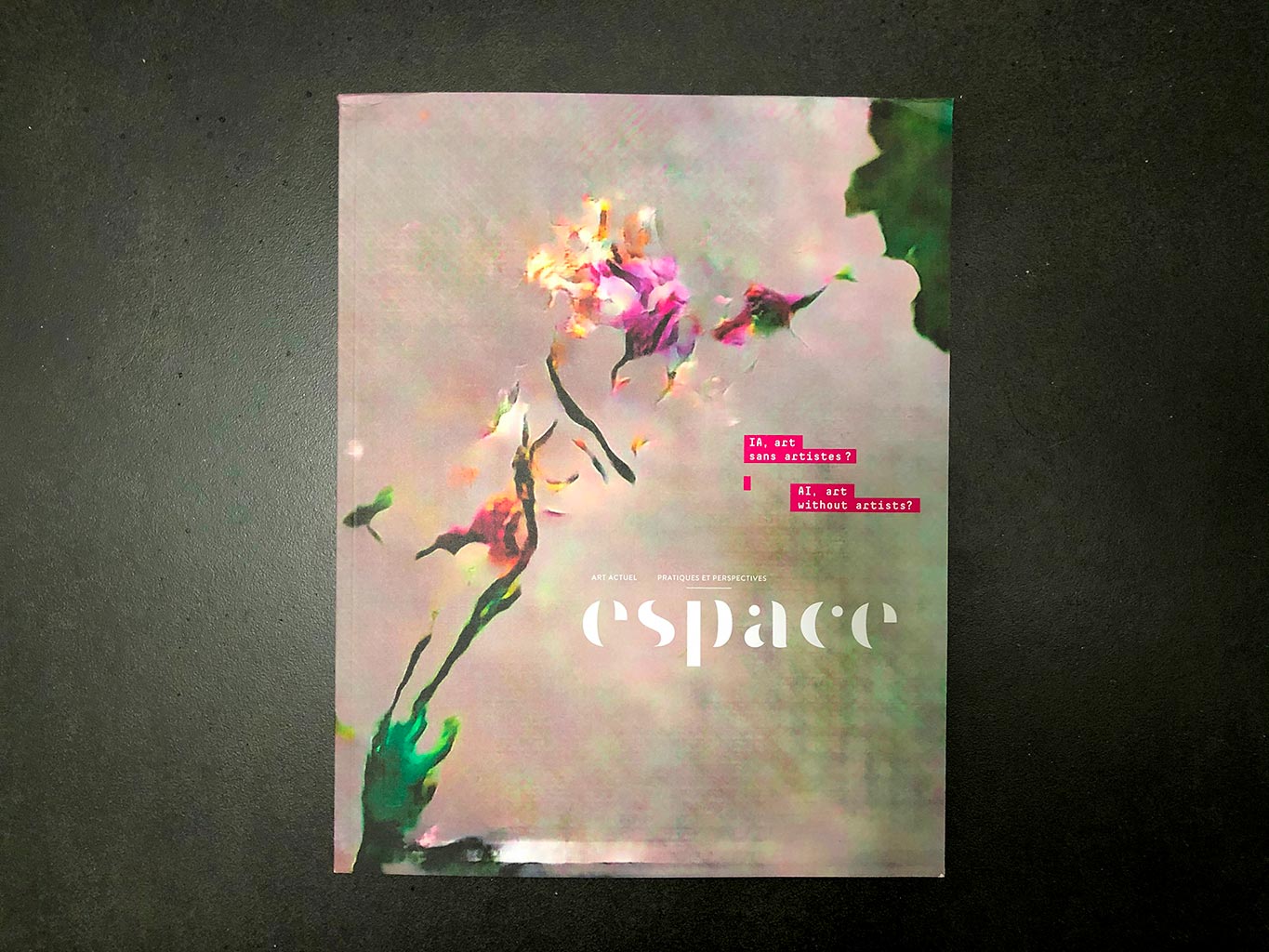
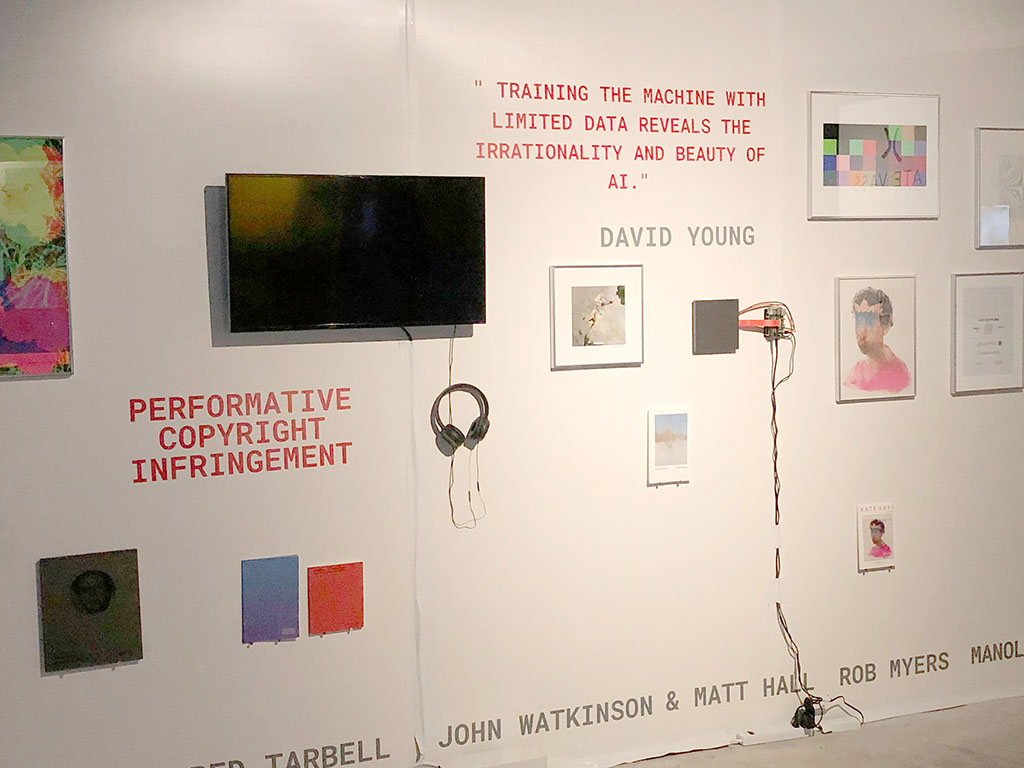
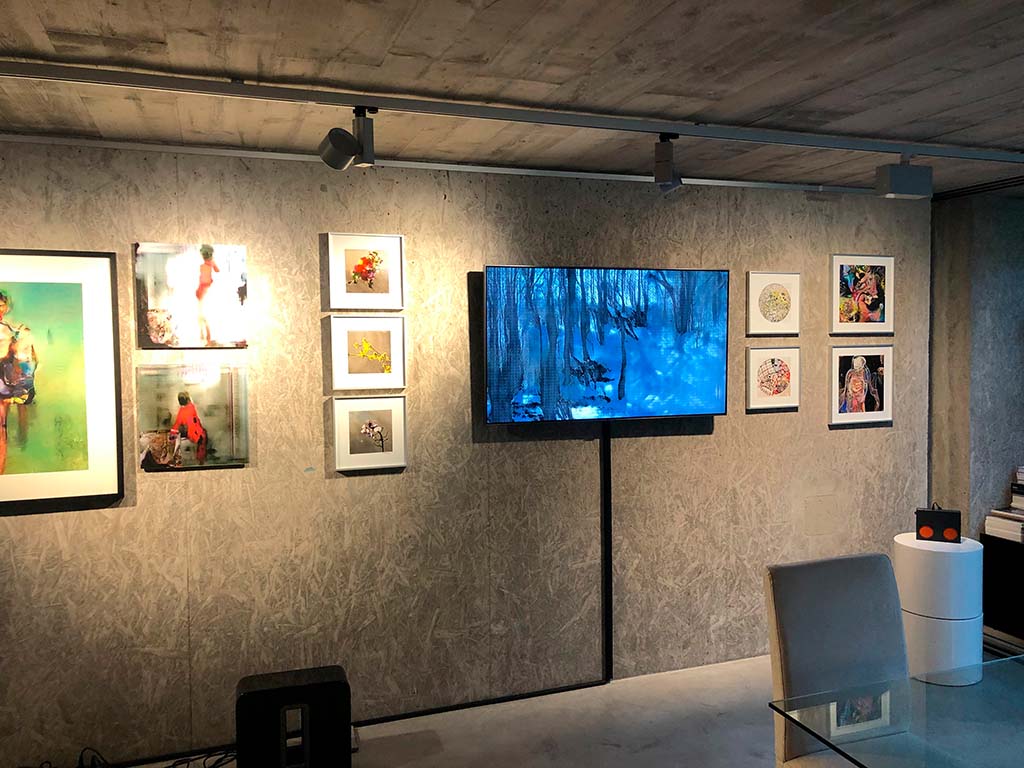
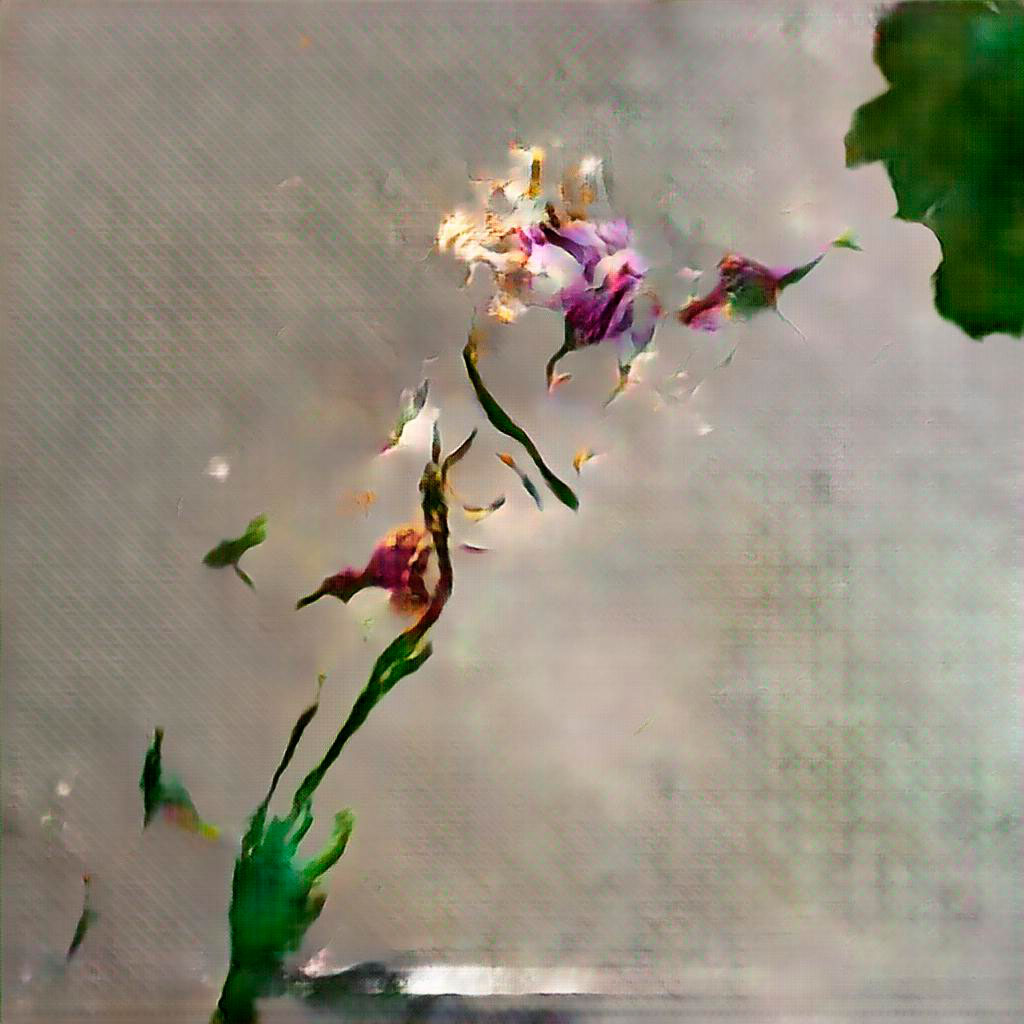
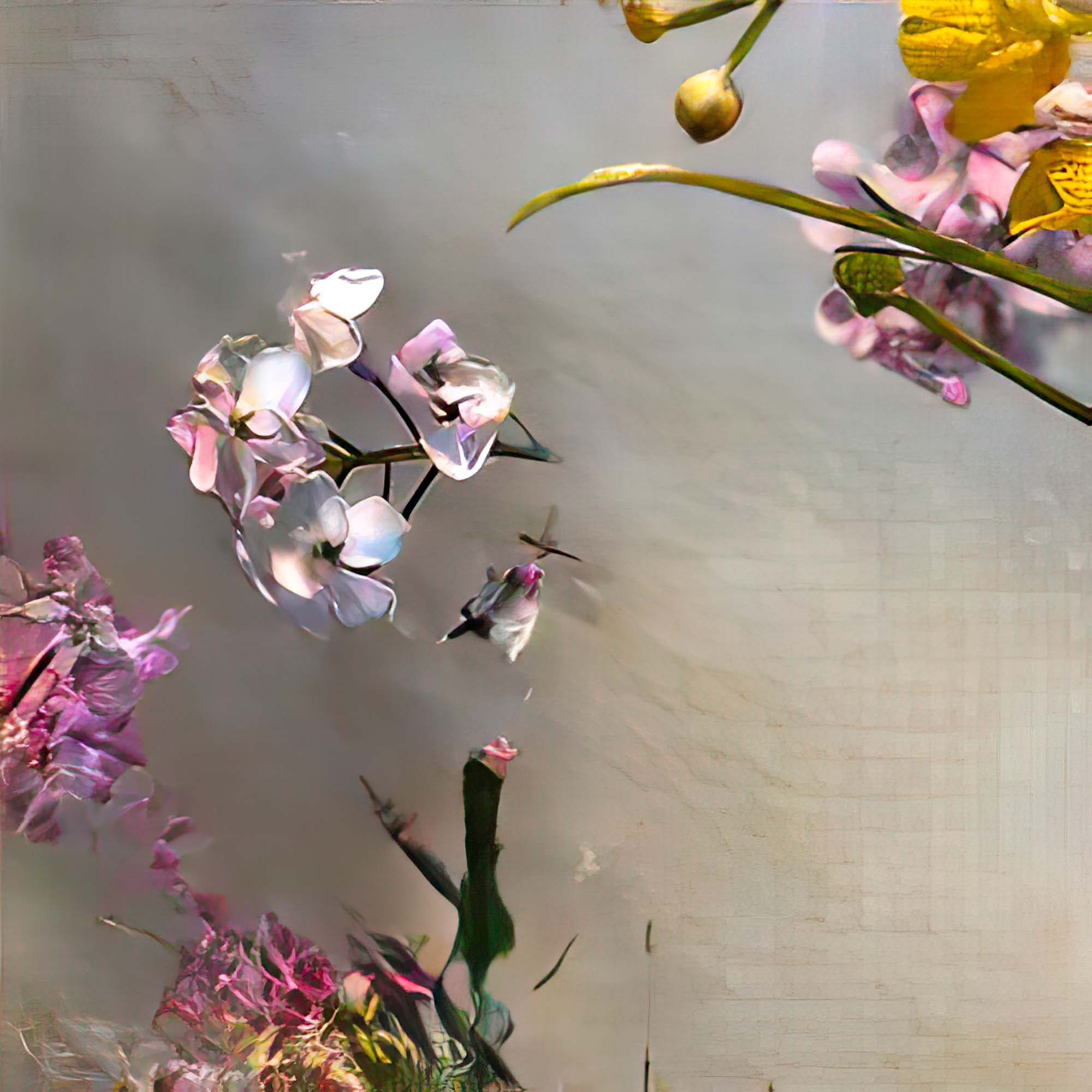
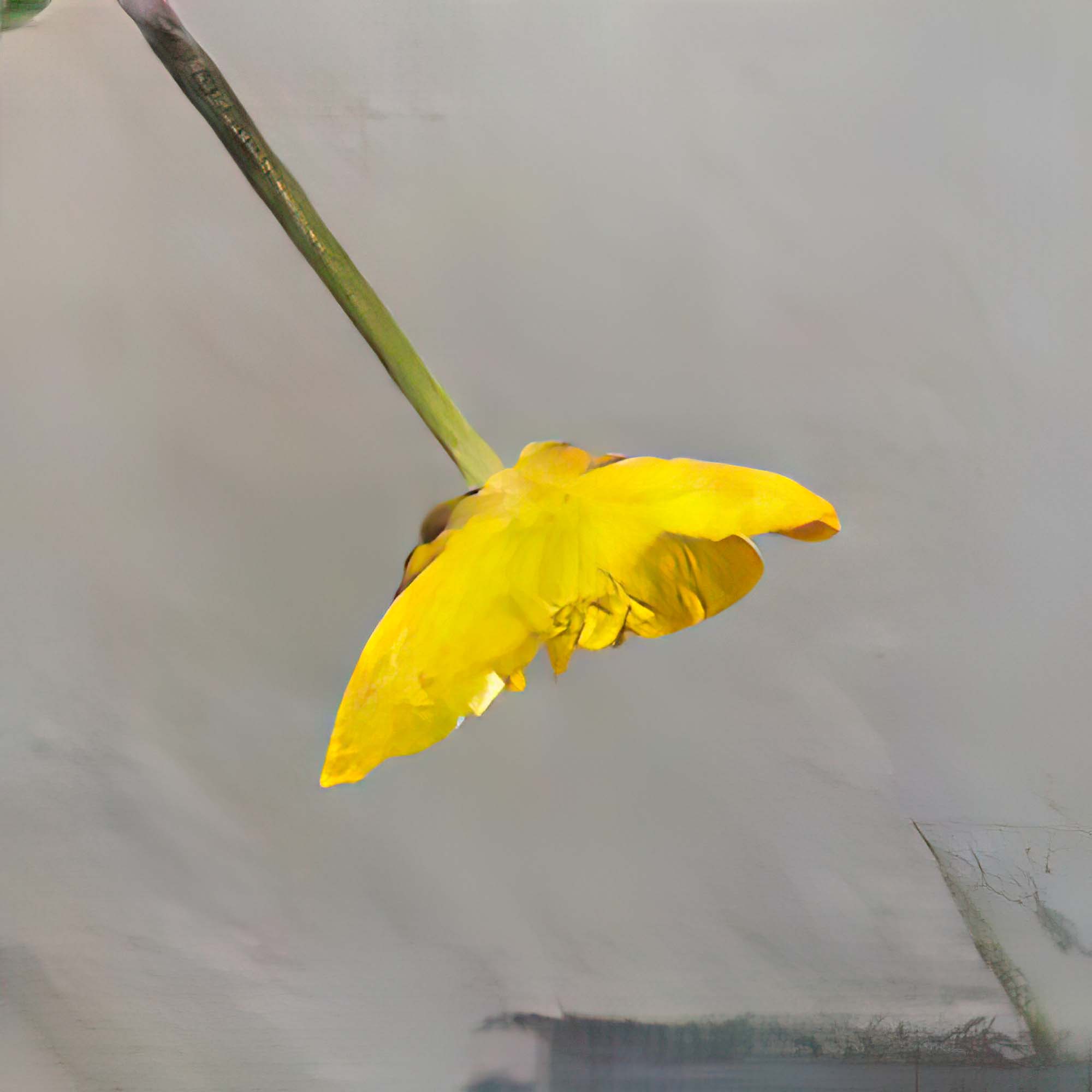
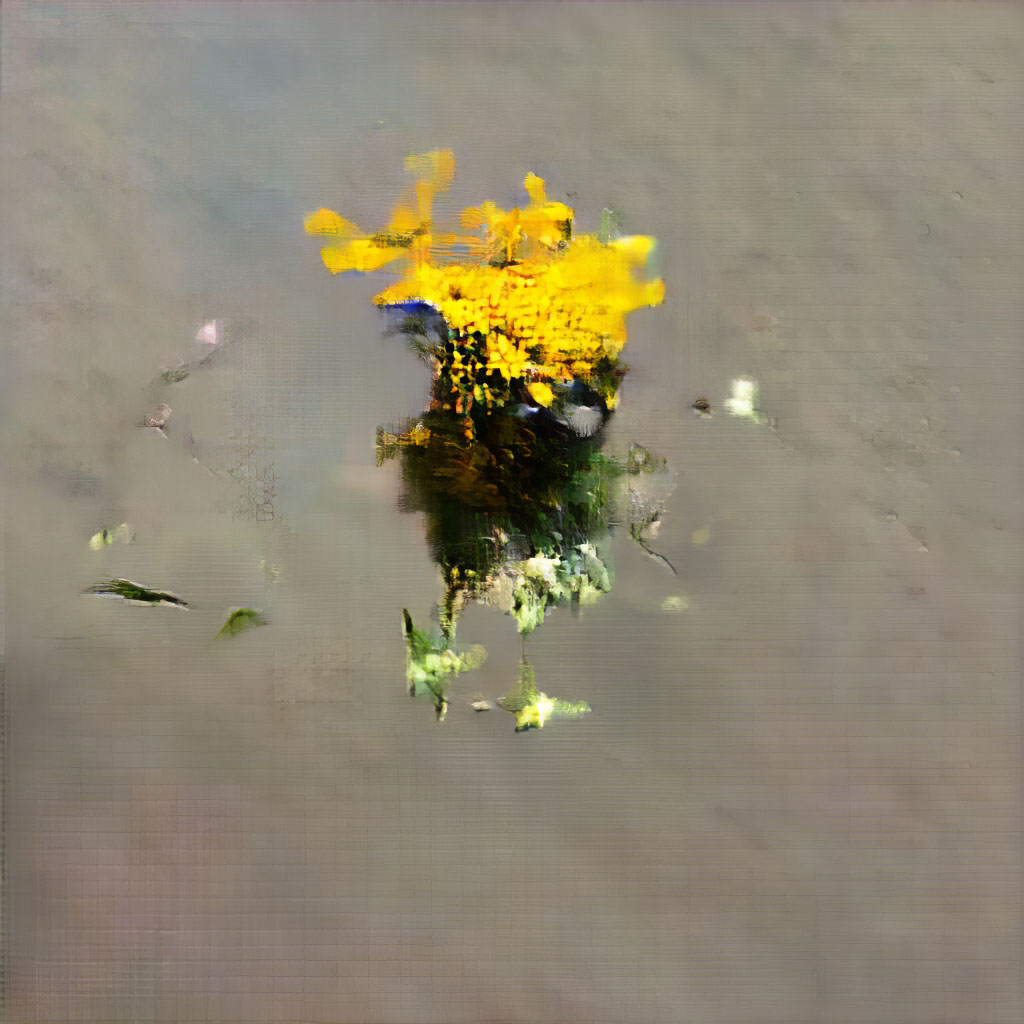
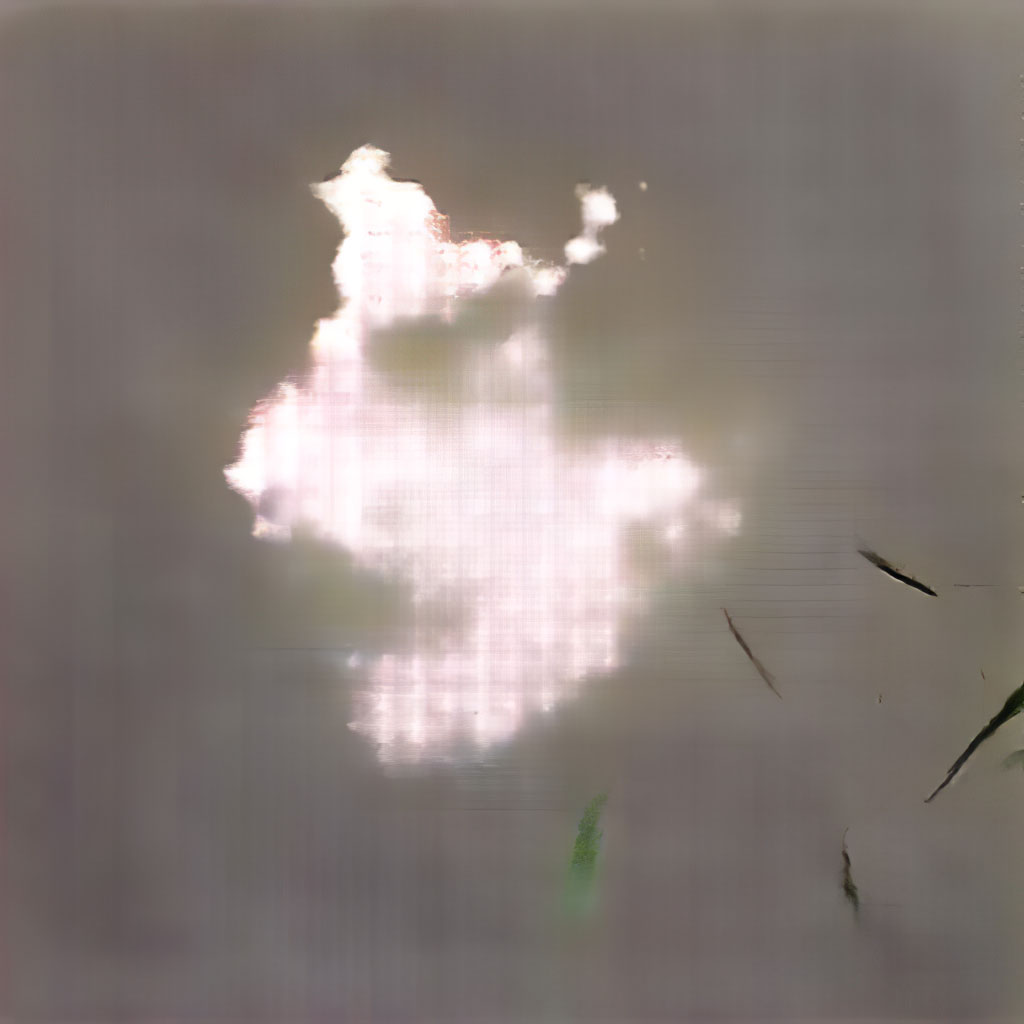
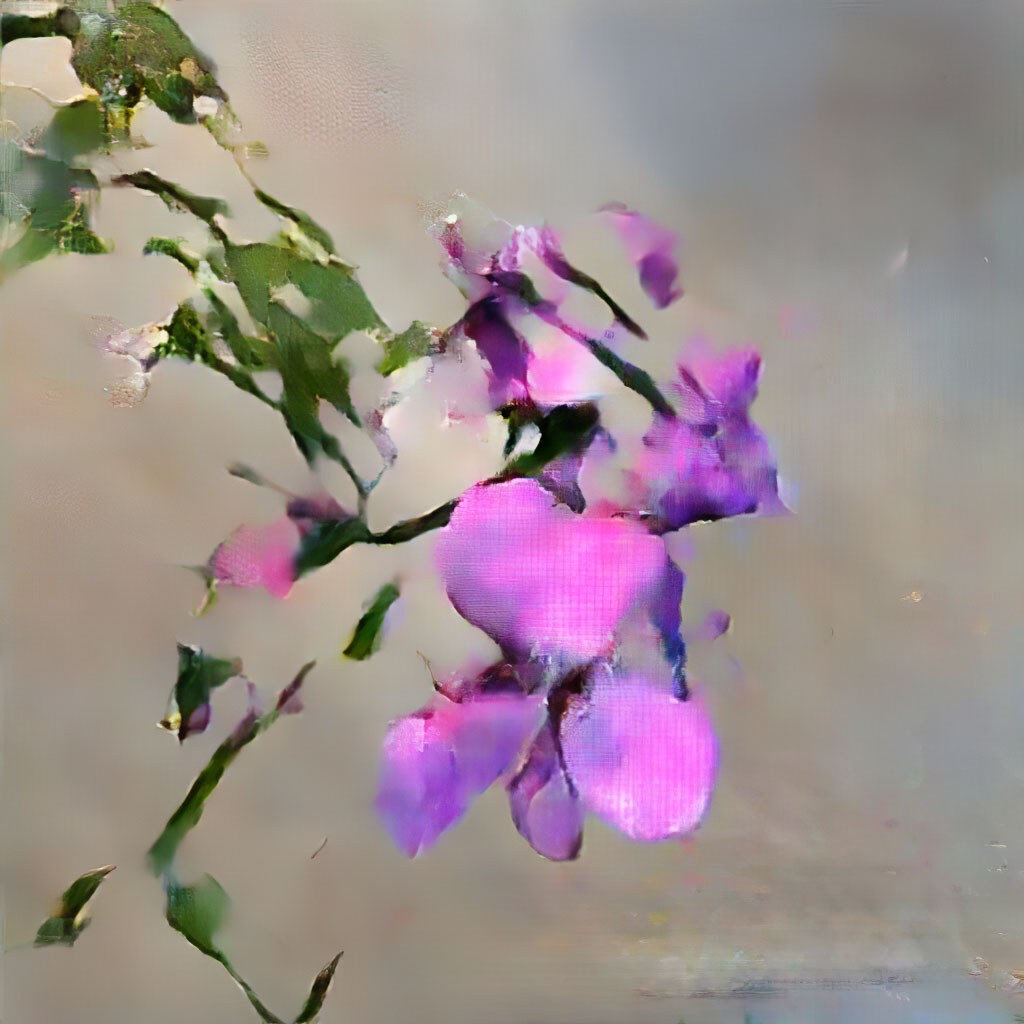
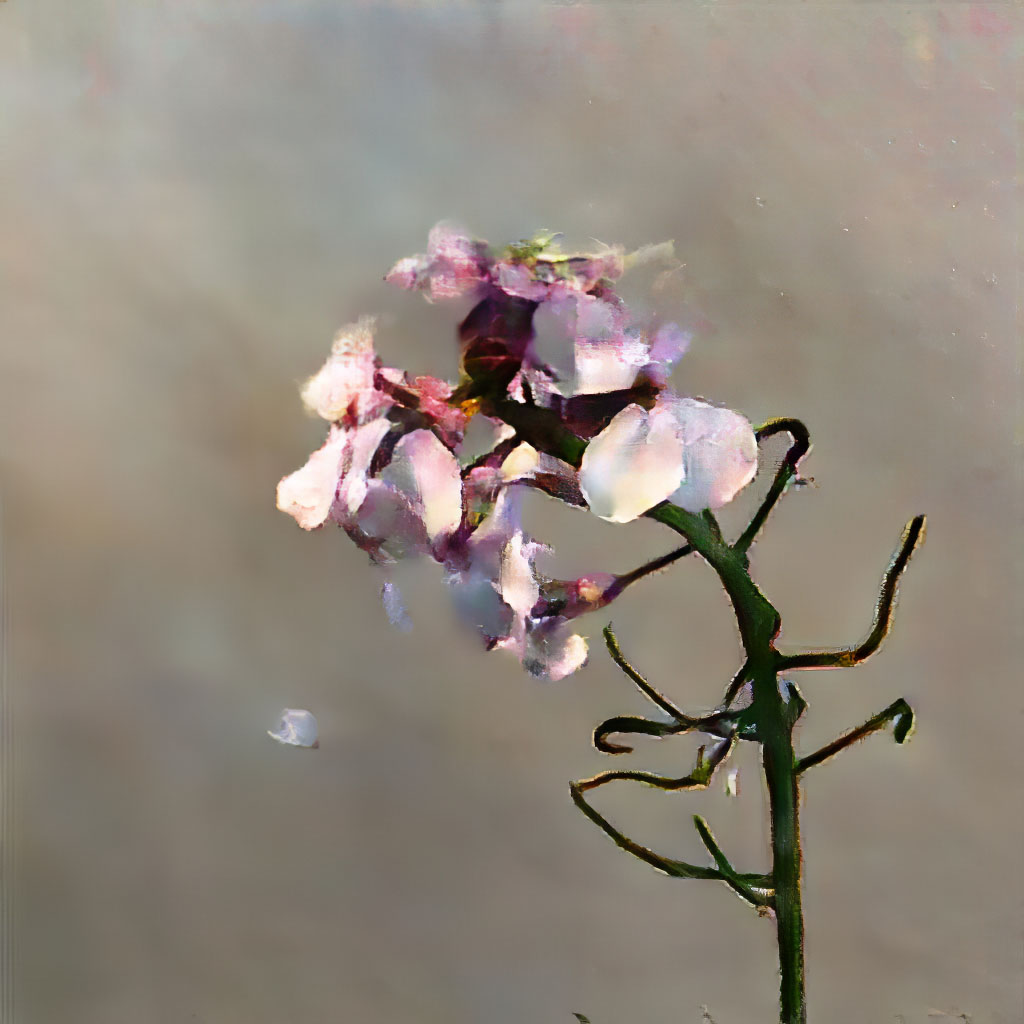
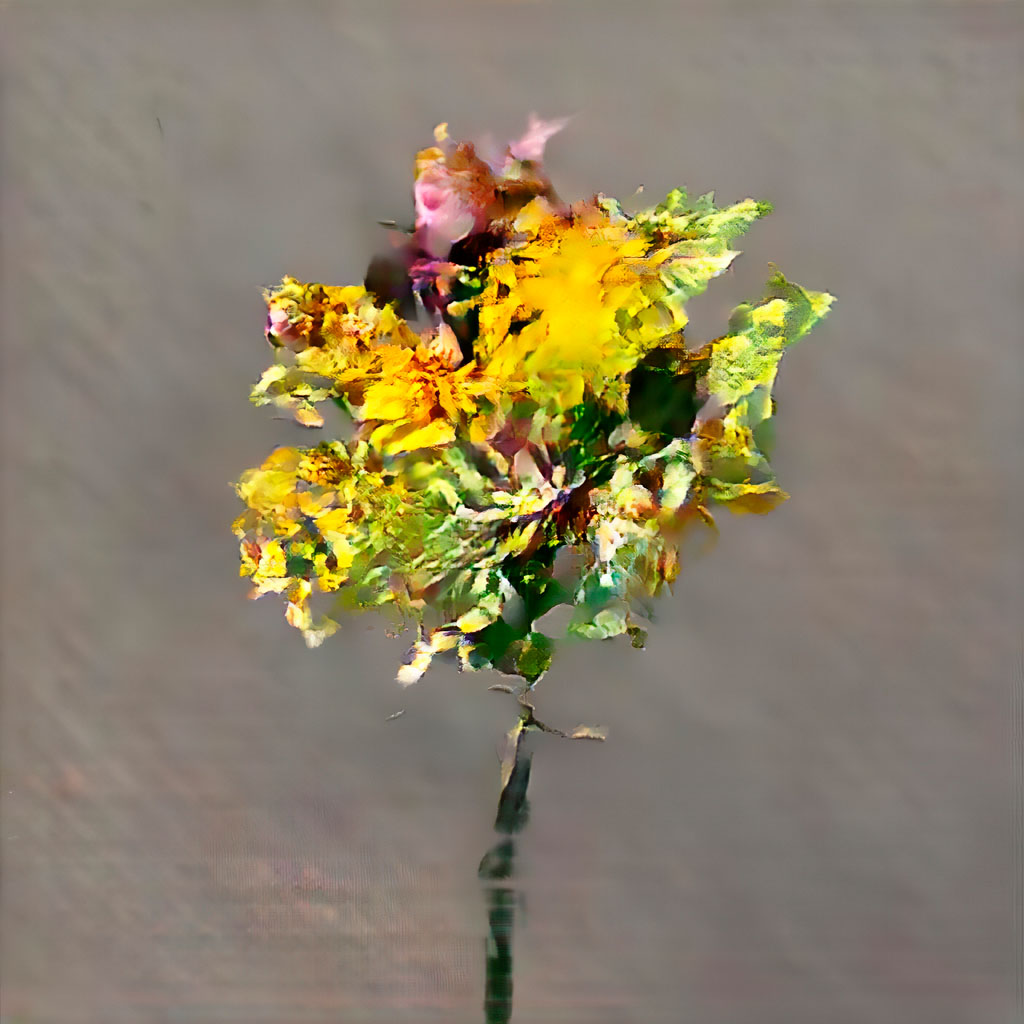
Learning Nature proposes an alternative model for machine learning: intimate rather than industrial, beauty-seeking rather than optimized. The work emerges from the artist’s farm in Bovina, NY, where a Generative Adversarial Network was trained exclusively on photographs of flowers captured during a single summer. This deliberate constraint—a handful of images rather than millions—transforms the system’s limitations into a generative framework for exploring how machines construct understanding.
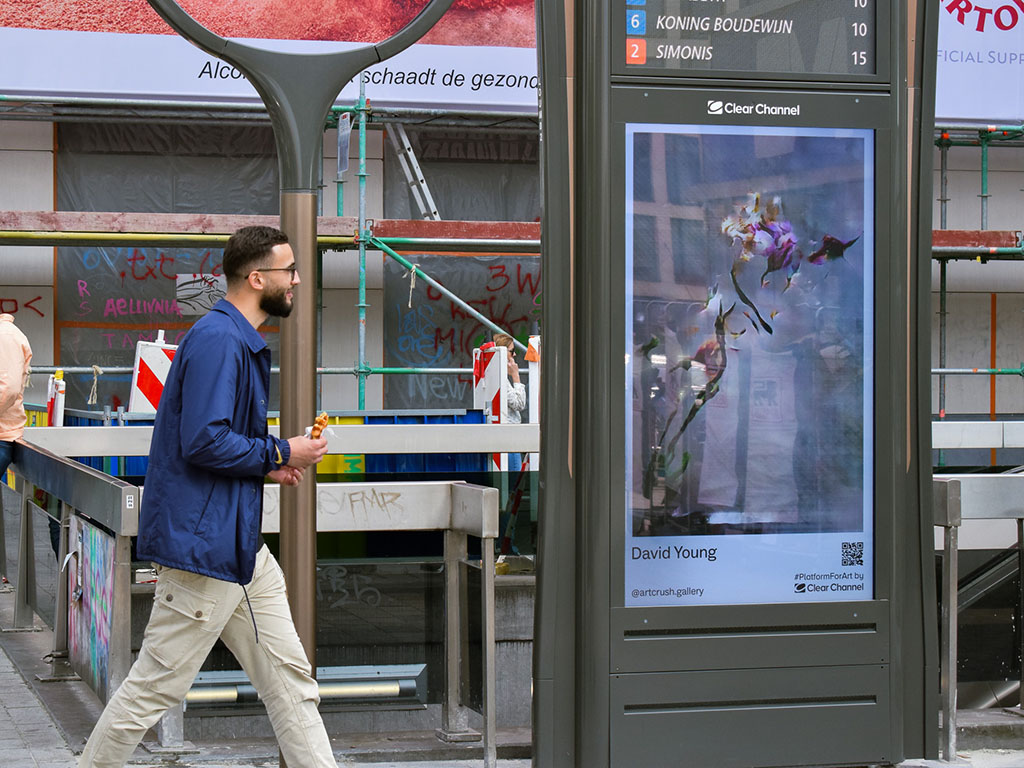
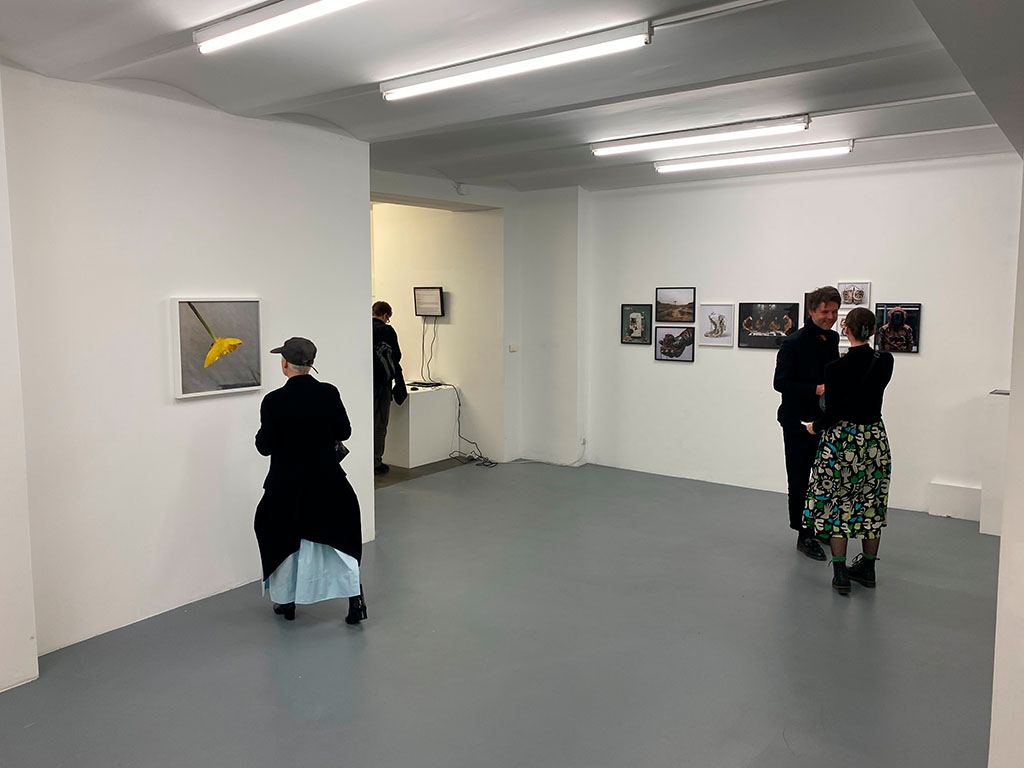
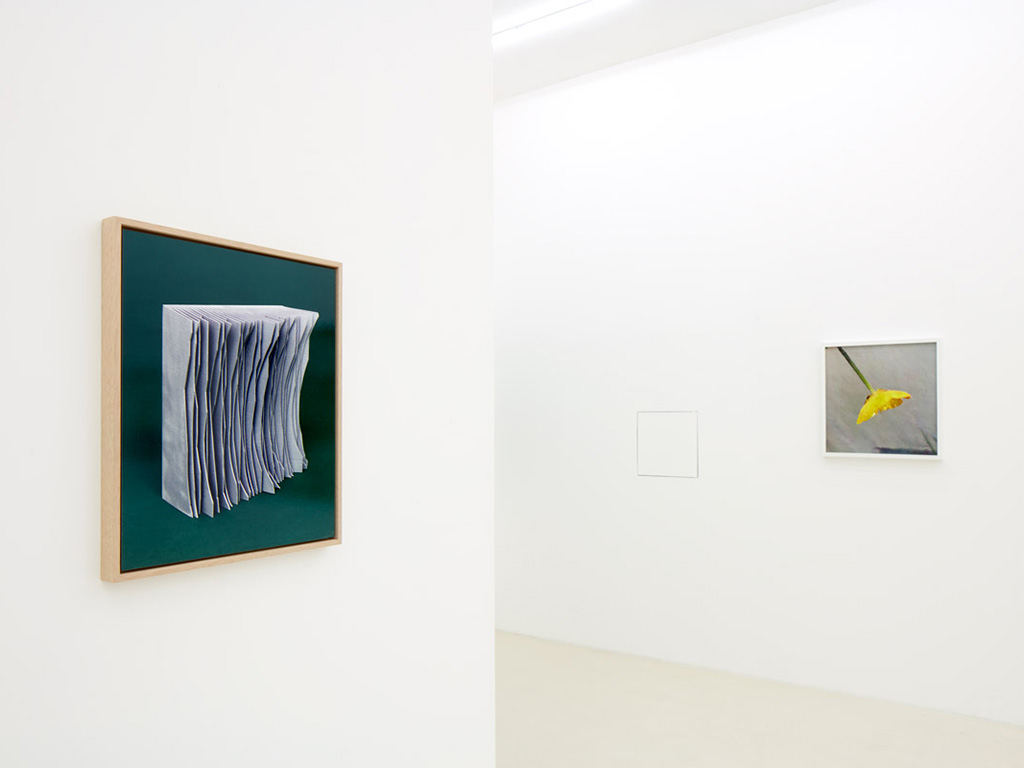
The resulting images document a computational system developing its own visual language for organic forms. Pixelated artifacts evolve into impressionistic interpretations that echo the Hudson River School painters who worked in this same landscape, suggesting unexpected continuities between historical and computational ways of seeing. The machine’s struggle with botanical complexity produces ghostly flowers and ethereal landscapes — forms that exist nowhere in nature yet activate deep recognition patterns in human perception.
Nothing that emerges is accurate, but accuracy isn’t the objective. The work asks the machine to develop its own perceptual framework, treating interpretation and misinterpretation as creative forces rather than errors to be corrected. Each image captures a moment in an endless process of digital becoming, where the gap between what the system knows and what it attempts to create generates its own aesthetic logic.
Against the industrial scale of corporate AI, the work offers a model of machine learning oriented toward beauty rather than efficiency, intimacy rather than surveillance, poetic ambiguity rather than classificatory precision—and invites us to find meaning in that alien yet strangely familiar vision.
Some works from this series were minted as NFTs in 2018 and 2019.
The essay Little AI explores these ideas in depth.
Exhibition History